
1965 The Most Revolutionary Year in Music
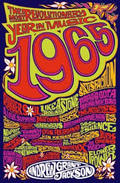
1965 The Most Revolutionary Year in Music
Sense existències ara
Rep-lo a casa en 2 / 3 dies per Missatger o Eco Enviament*Sobre el libro 1965 The Most Revolutionary Year in Music de Timothy Grant Cardone publicado por Picador al 2015:
During twelve unforgettable months in the middle of the turbulent Sixties, America saw the rise of innovative new sounds that would change popular music as we knew it. In 1965: The Most Revolutionary Year in Music, music historian Andrew Grant Jackson (Still the Greatest: The Essential Songs of The Beatles’ Solo Careers) chronicles a ground-breaking year of creativity fueled by rivalries between musicians and continents, sweeping social changes, and technological breakthroughs. While the Beatles played Shea Stadium and made their first major artistic statement with Rubber Soul, the Rolling Stones topped the American charts for the first time with the sexually aggressive “(I Can’t Get No) Satisfaction,” and the Who staked out their territory with the classic “My Generation.” Bob Dylan released his six-minute opus “Like a Rolling Stone” from Highway 61 Revisited and sent shock waves through the music community when he went electric at the Newport Folk Festival. Barry Maguire sang of the “Eve of Destruction” and Simon and Garfunkel released their first number-one hit with “The Sounds of Silence.” Never before had popular music been so diverse. Soul and funk became prime forces of desegregation as James Brown scored his first Top Ten songs, the Temptations topped the charts with “My Girl,” and Otis Redding released the classic LP Otis Blue with his composition “Respect.” Meanwhile, The Righteous Brothers’ version of “You’ve Lost That Lovin’ Feelin’” became the longest song to hit number one. Country music reached new heights with the Nashville and Bakersfield sounds. John Coltrane released his jazz masterpiece A Love Supreme. Bob Marley released his first album with the Wailers. And in Northern California, the Grateful Dead gave their first performances at Ken Kesey’s “Acid Test” parties. Jackson weaves fascinating and often surprising stories into a panoramic narrative of the seismic cultural shifts wrought by the Civil Rights Movement, feminism, Youthquake, the miniskirt, the Pill, psychedelics, and Vietnam. 1965 is a fascinating account of a defining year that produced some of the greatest songs, albums, and artists of all time.Altres llibres de Timothy Grant Cardone

Altres persones que han llegit 1965 The Most Revolutionary Year in Music de Timothy Grant Cardone han escollit


El llibre 1965 The Most Revolutionary Year in Music de Timothy Grant Cardone pertany a la matèria
Veure altres ressenyes de Música
Ressenya
Grafton Tanner
Las horas han perdido su reloj
Las políticas de la nostalgia
Durante las guerras napoleónicas, un brote de nostalgia asoló las tropas francesas, los enfermos vegetaban de pena y morían poco tiempo después. Los médicos de la época estudiaron varias opciones p...

Ressenya
Francis Wolff
¿Por qué la música?
¿Por qué tocamos música los hombres? Porque tenemos que amaestrar los acontecimientos. Entenderlos. Abstraerlos de las cosas. Incorporarlos a nuestro cuerpo y a las exigencias de la razón. Salir de...

Ressenya
Damon Krukowski
The new analog
Cómo escuchar y reconectarnos en el mundo digital.

Ressenya
James Rhodes
Fugas
Rhodes vuelve a defender la tesis principal de Instrumental: la importancia de la fantasía como tabla de salvación.